
Why Wallpaper Will Always be in Style
Wallpaper has a funny reputation. Every few years, it’s said to be “back” in style—as if it ever really left. While certain patterns, colors, and installation methods may come and go, wallpaper itself has remained a beloved element of interior design for centuries. We think that is because wallpaper offers something paint simply can't: the ability to transform a room through pattern, color, and story.
At Tammara Stroud Design, we love using wallpaper to create spaces that feel layered, personal, and connected to the architecture of the home. From a subtle grasscloth that highlights original millwork to a bold pattern that brings personality to a powder room, wallpaper can completely change the feeling of a space. And today, with advances in materials and installation, it is more versatile and practical than ever.
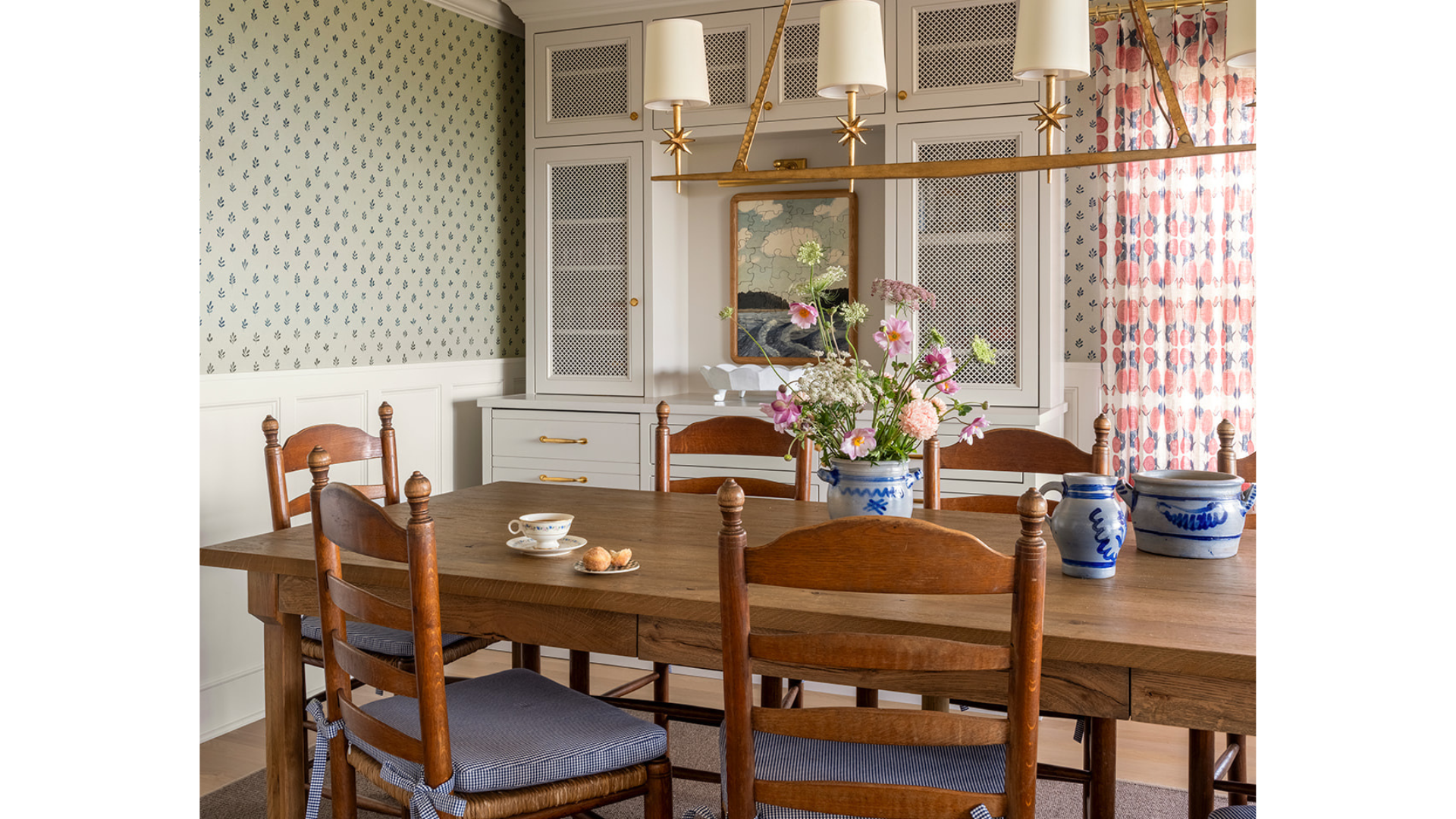
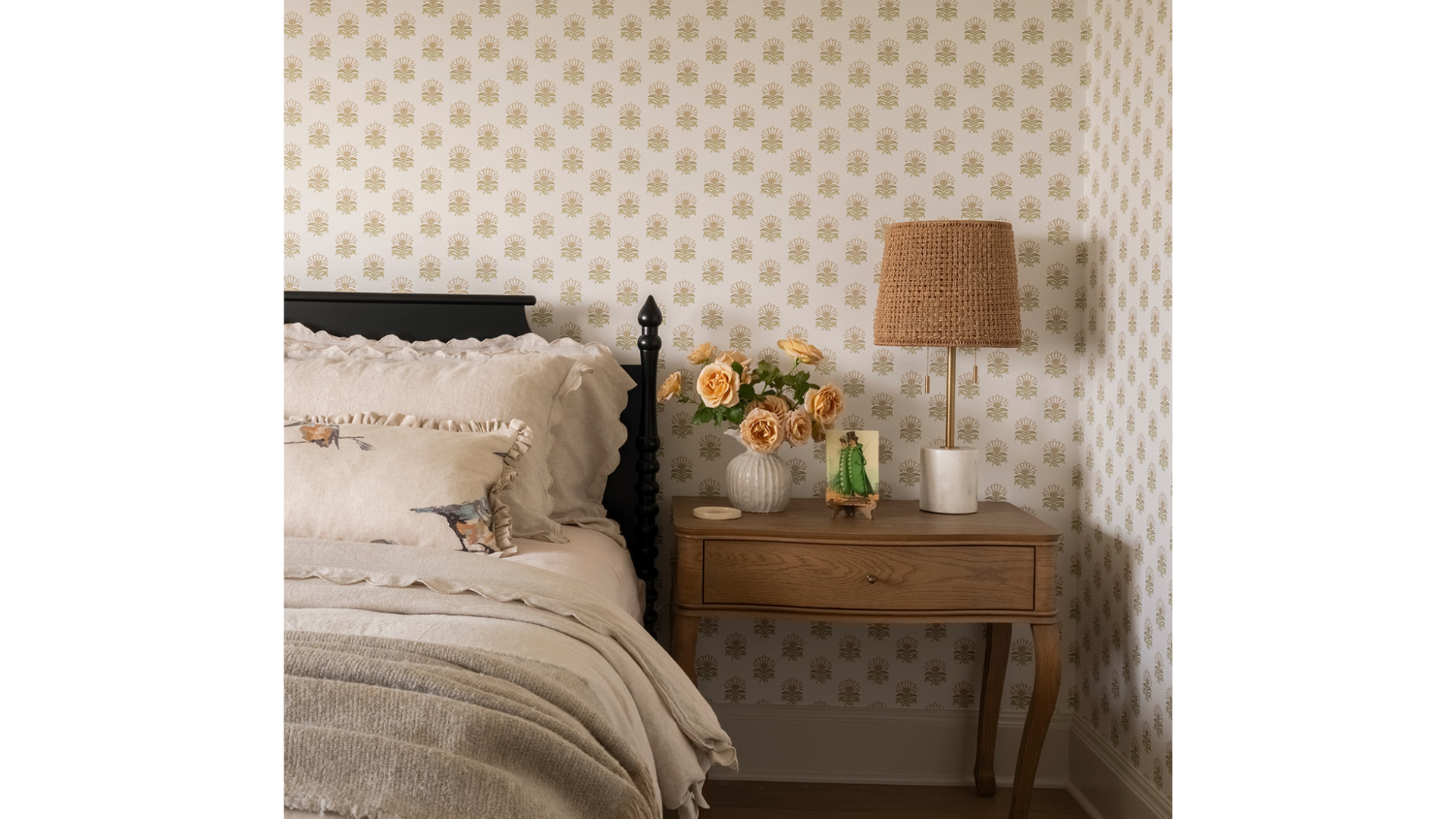
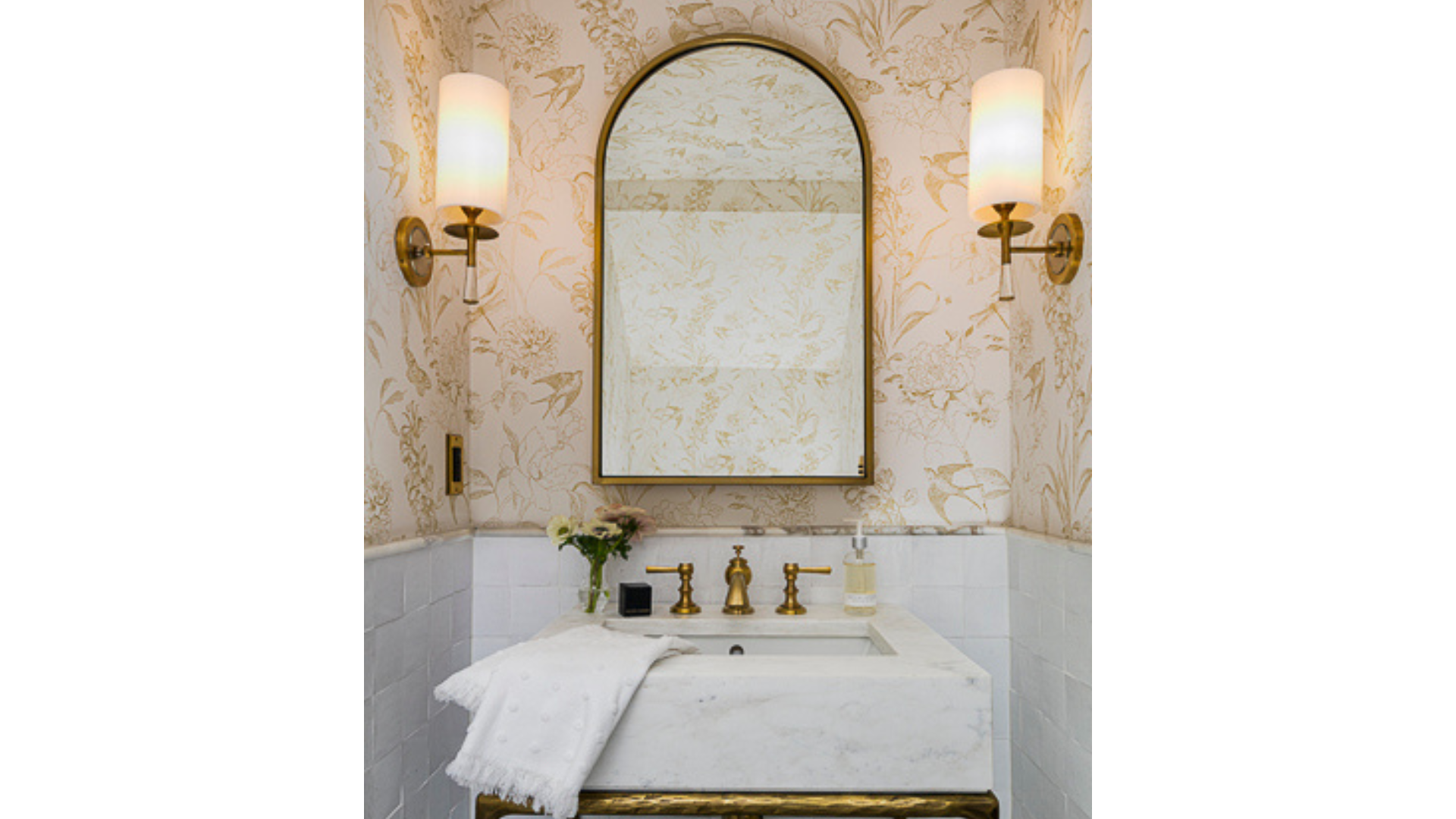
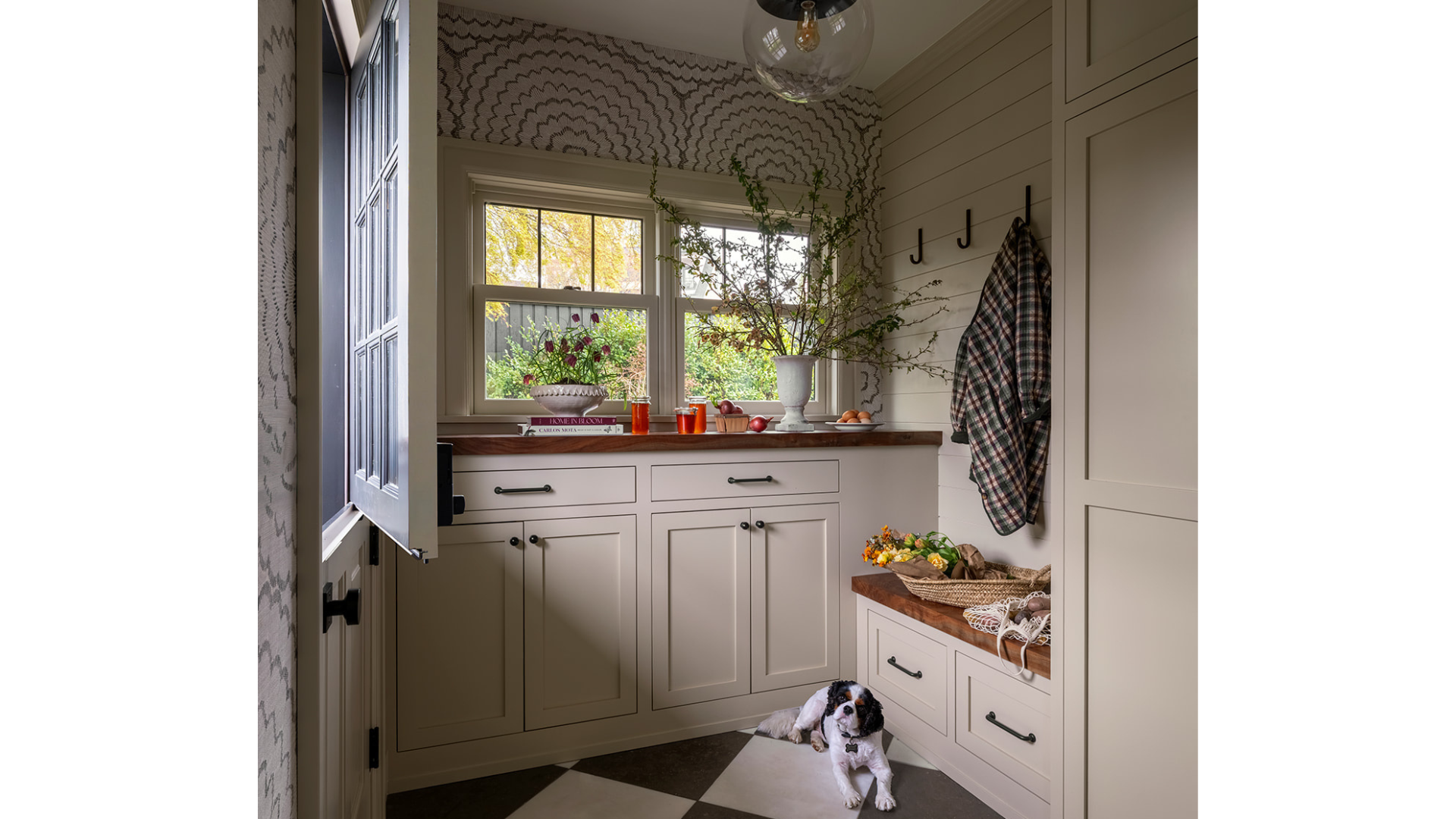
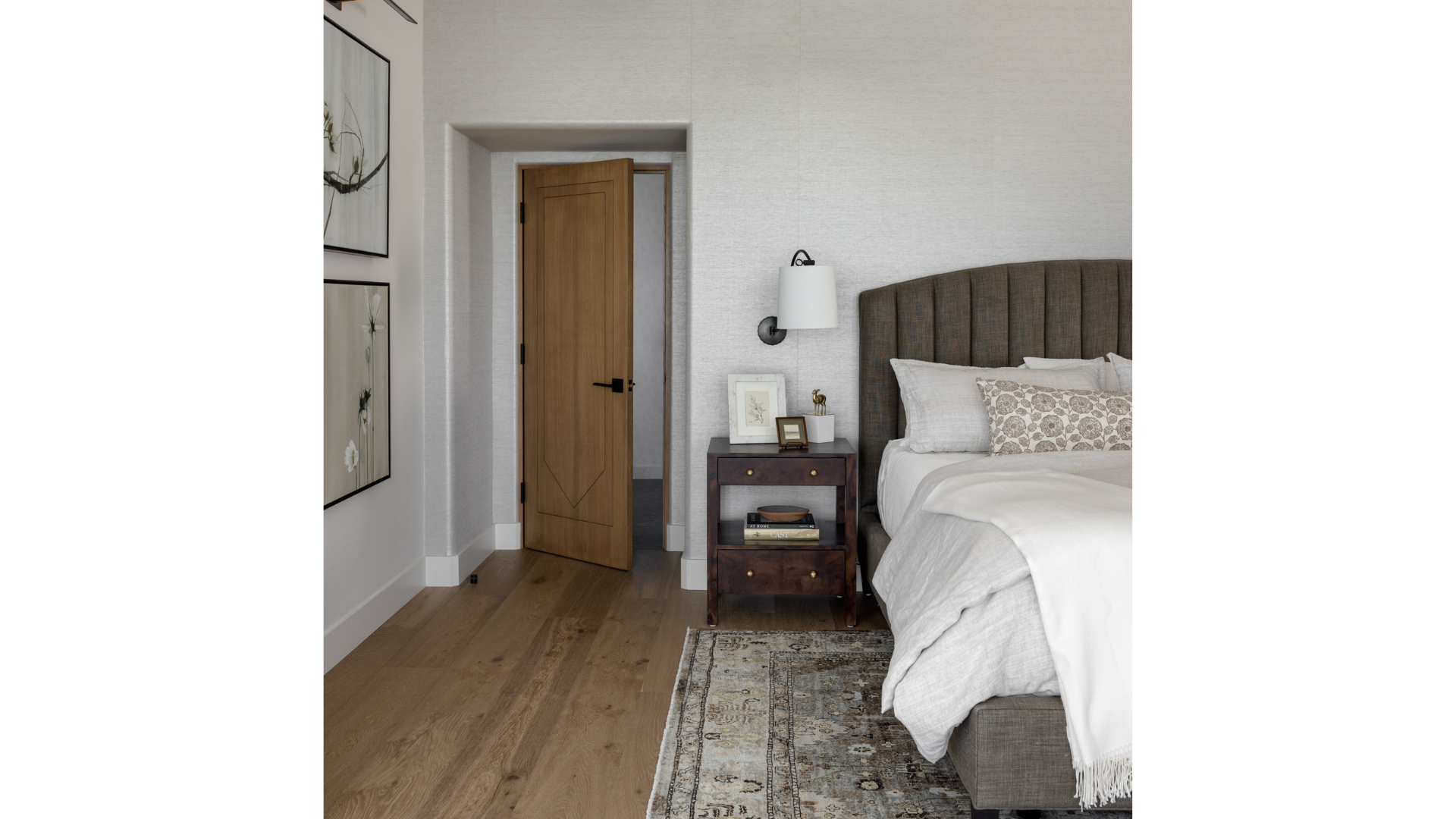
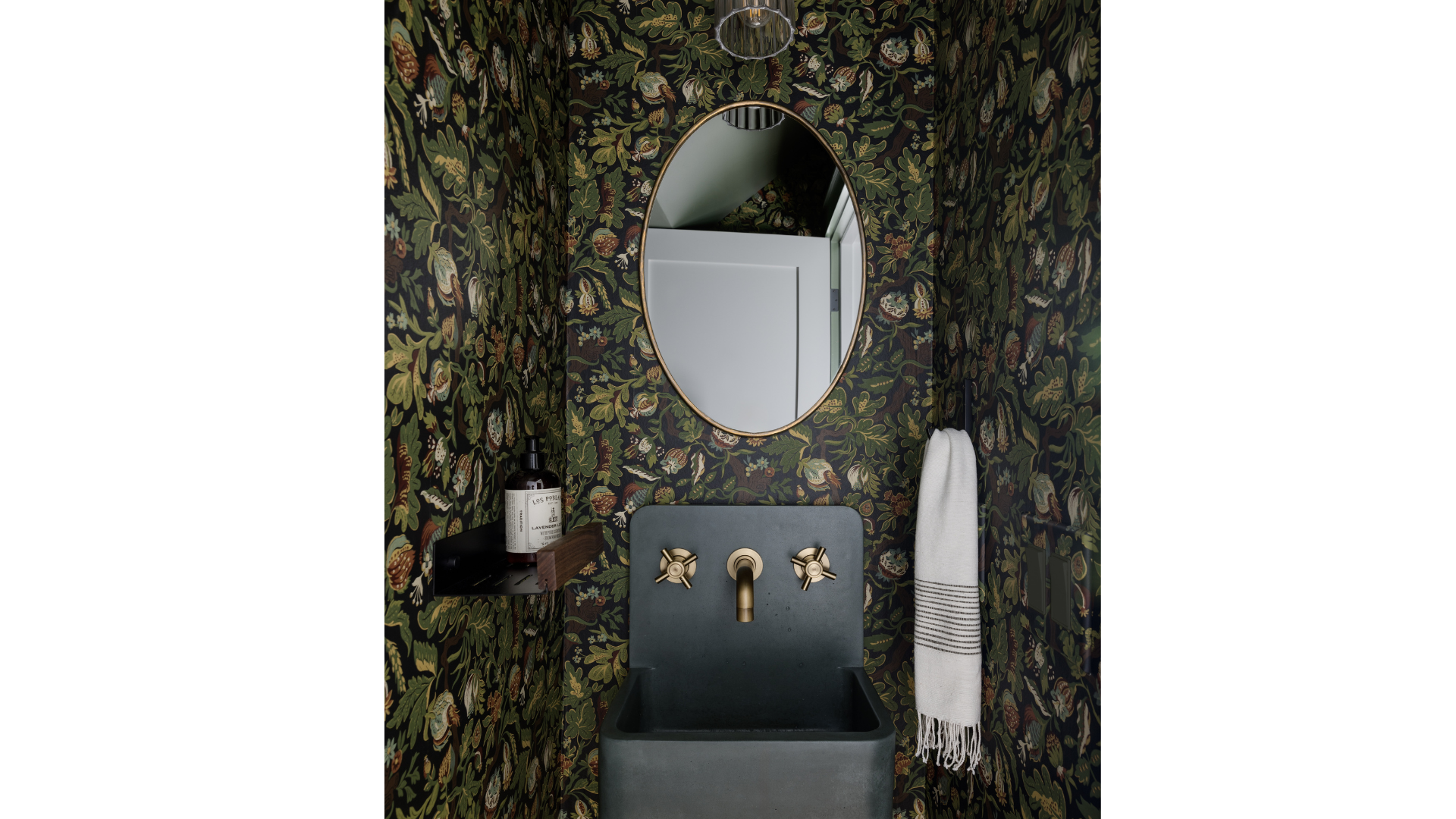
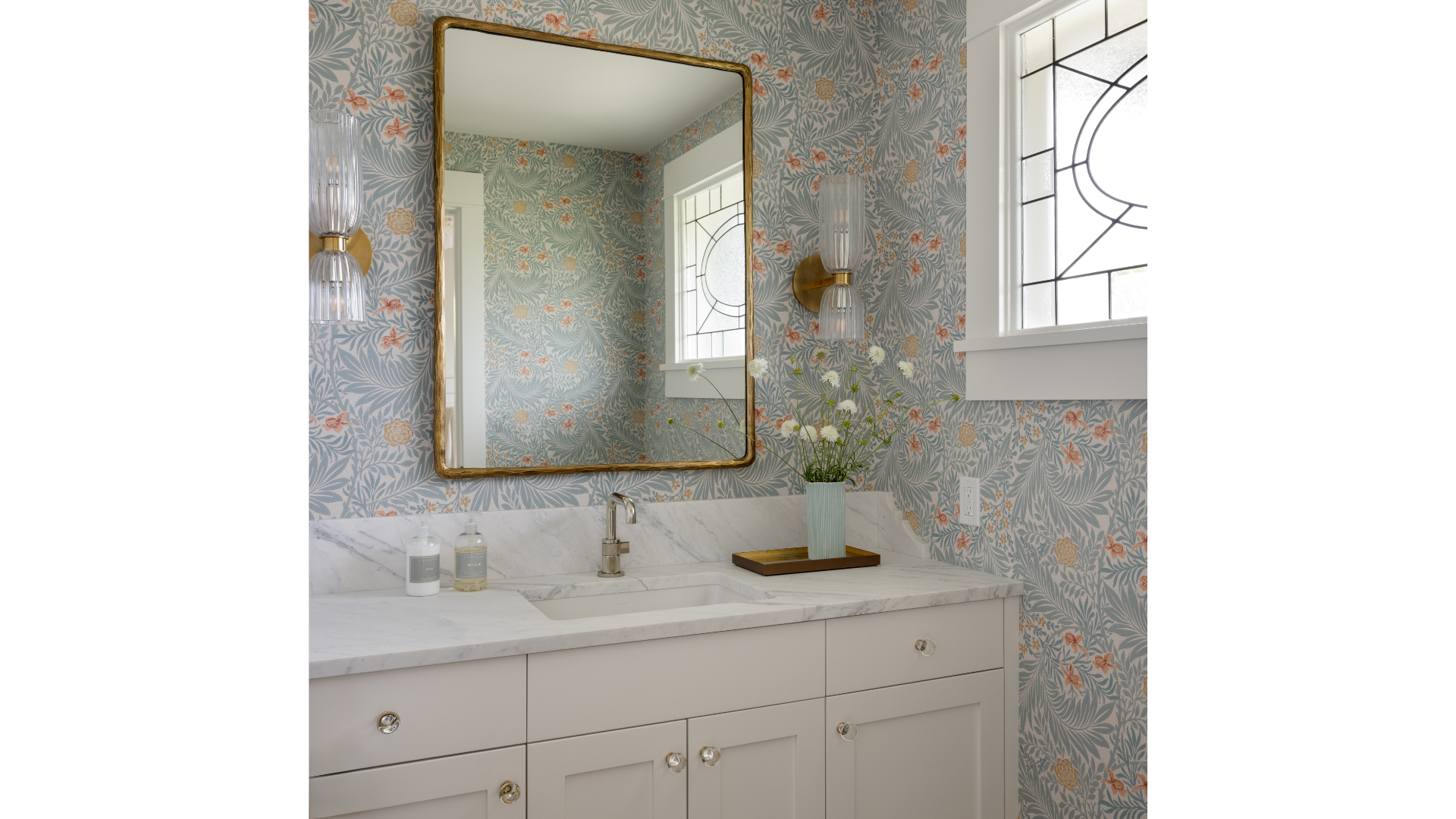
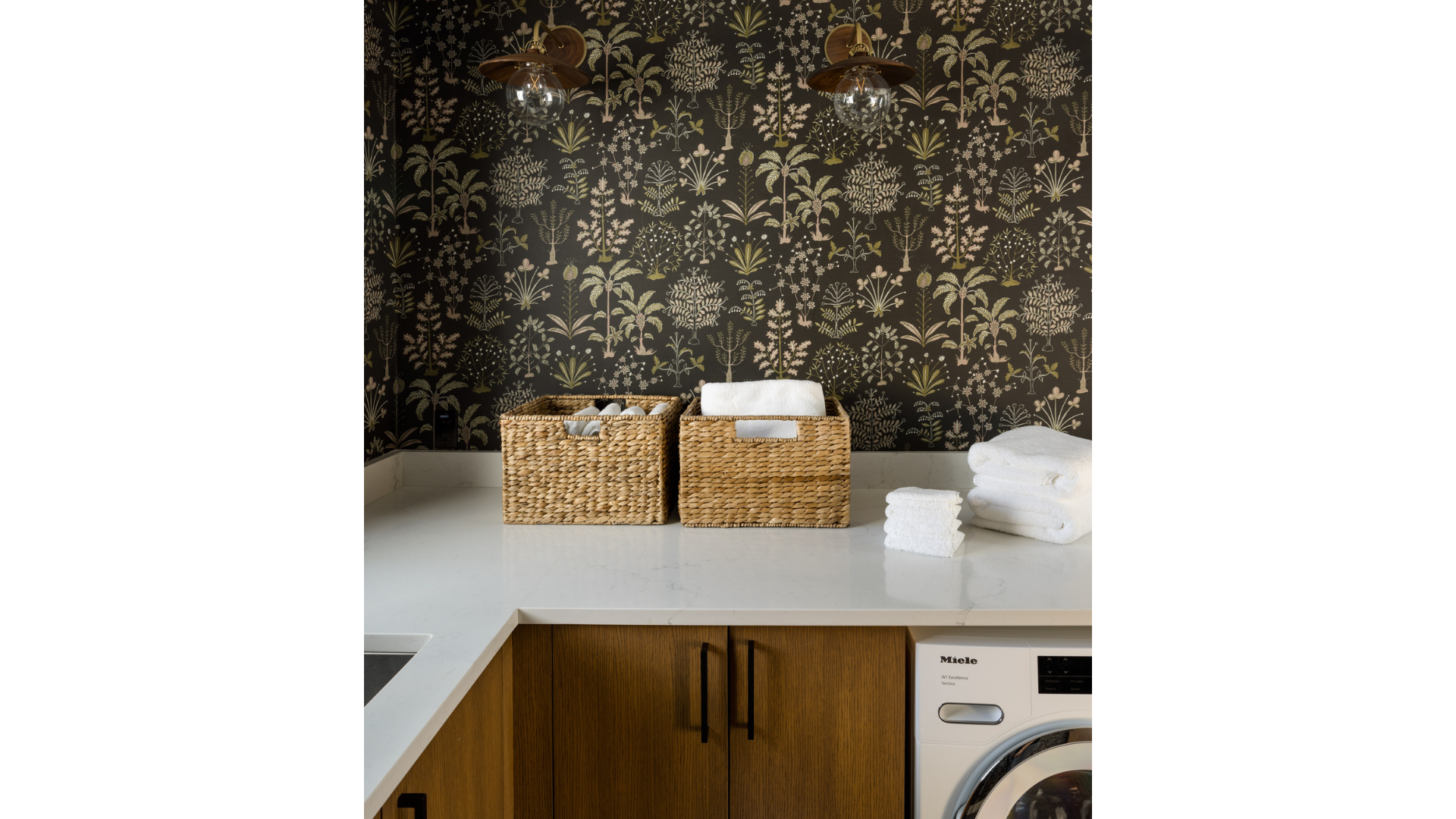
Did Wallpaper Ever Really Go Out of Style?
The idea that wallpaper is “back” is often more about practicality than style. For years, wallpaper was associated with difficult installation and even more difficult removal. Layers of old paper, complicated installation processes, and materials that weren't always suited to everyday life made paint feel like the easier choice.
But wallpaper has evolved. Today's wallcoverings are more durable, versatile, and easier to install and remove, with options designed for everything from high-moisture bathrooms to heavily used entryways. We don't think wallpaper ever truly went out of style, we simply think it became easier to live with.
What Wallpaper Adds to a Room
Wallpaper does much more than cover a wall, it creates a foundation for the rest of a room’s design.
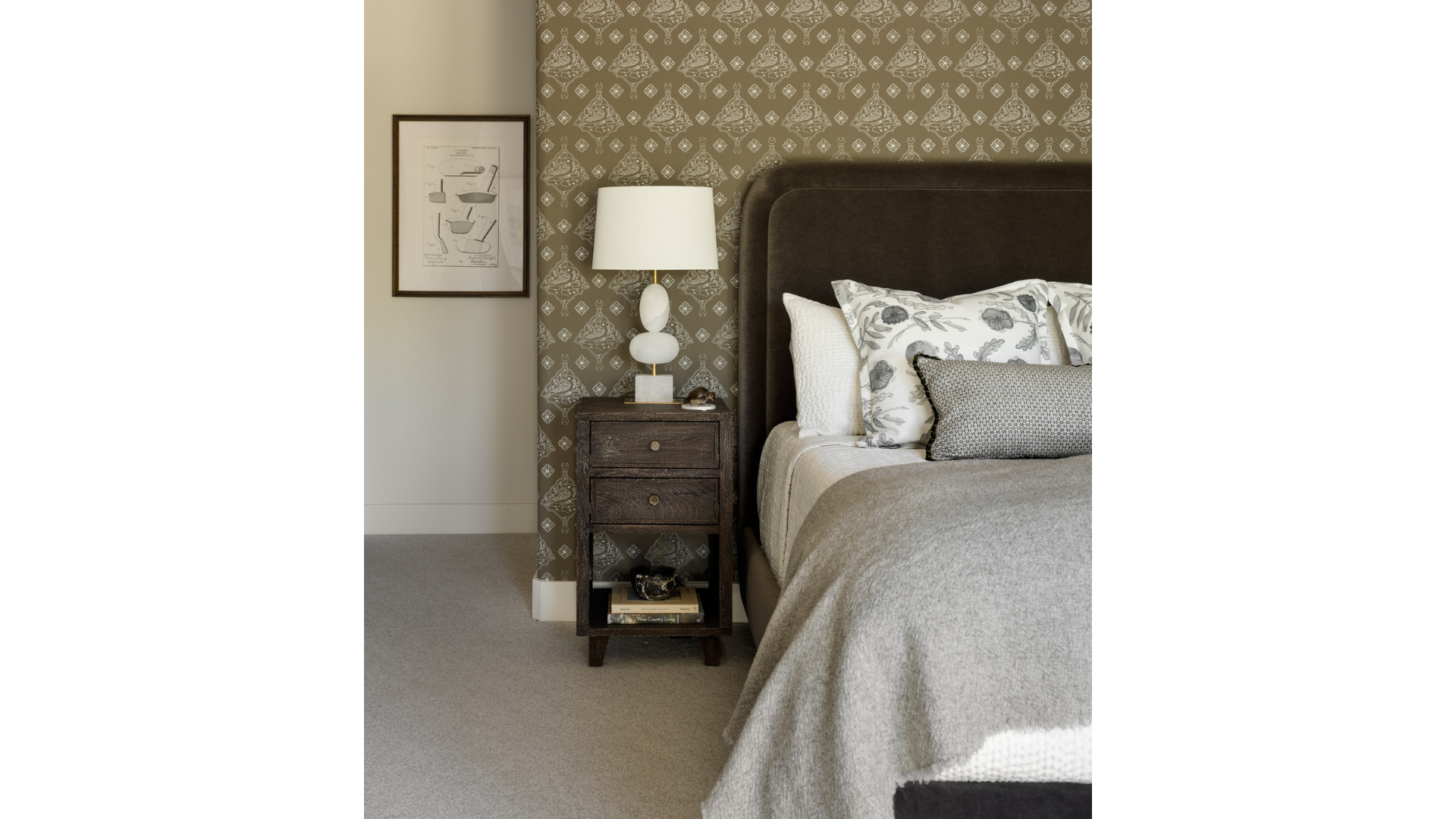
It adds layers, texture, and depth. While paint can establish a color palette, wallpaper can introduce color, pattern, texture, movement, and scale all at once.
It adds personality. Wallpaper gives us an opportunity to make a room feel unique to the people who live there. A botanical pattern, playful print, or dramatic mural can tell a story and create a space that feels personal and uniq.
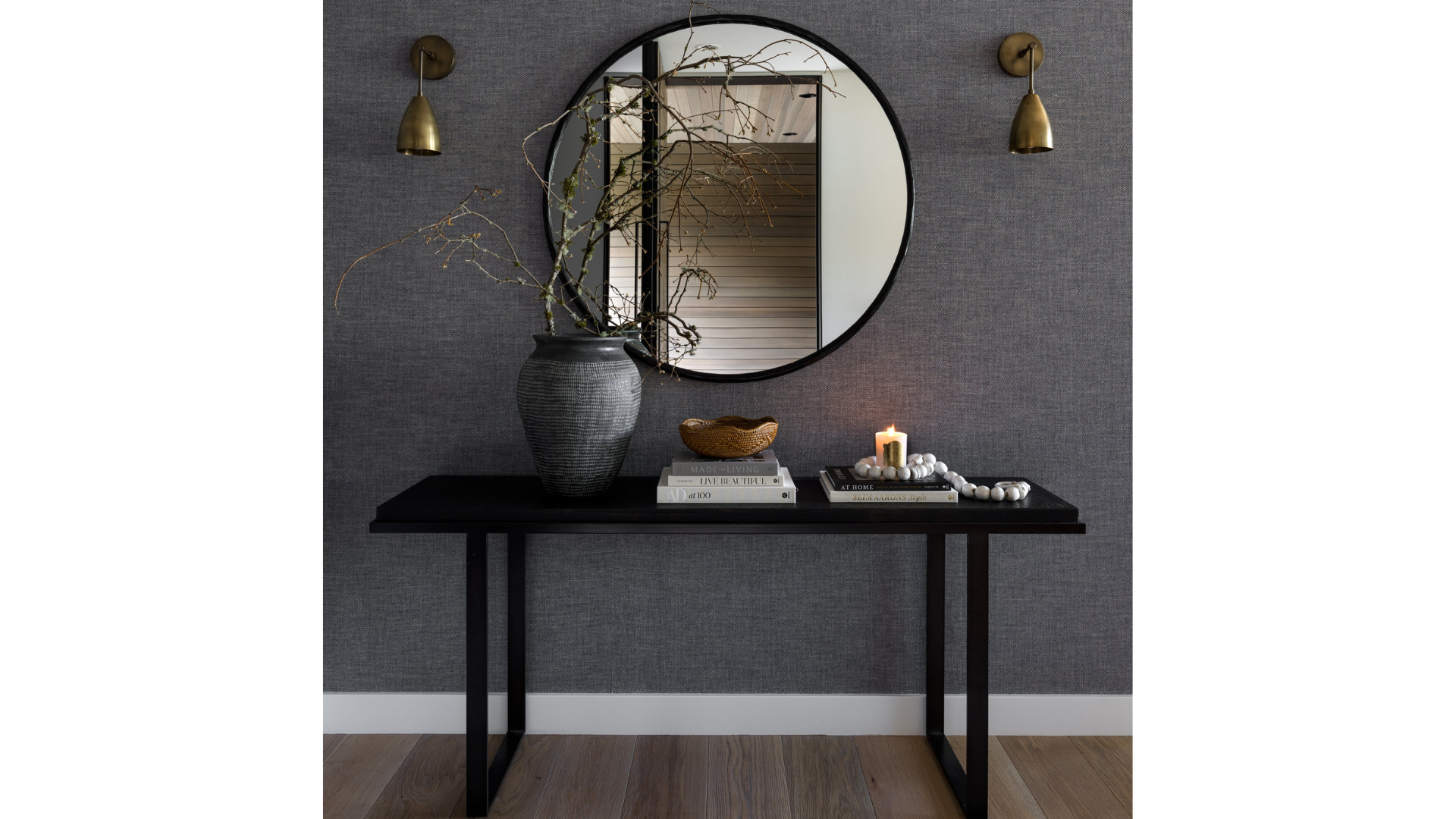
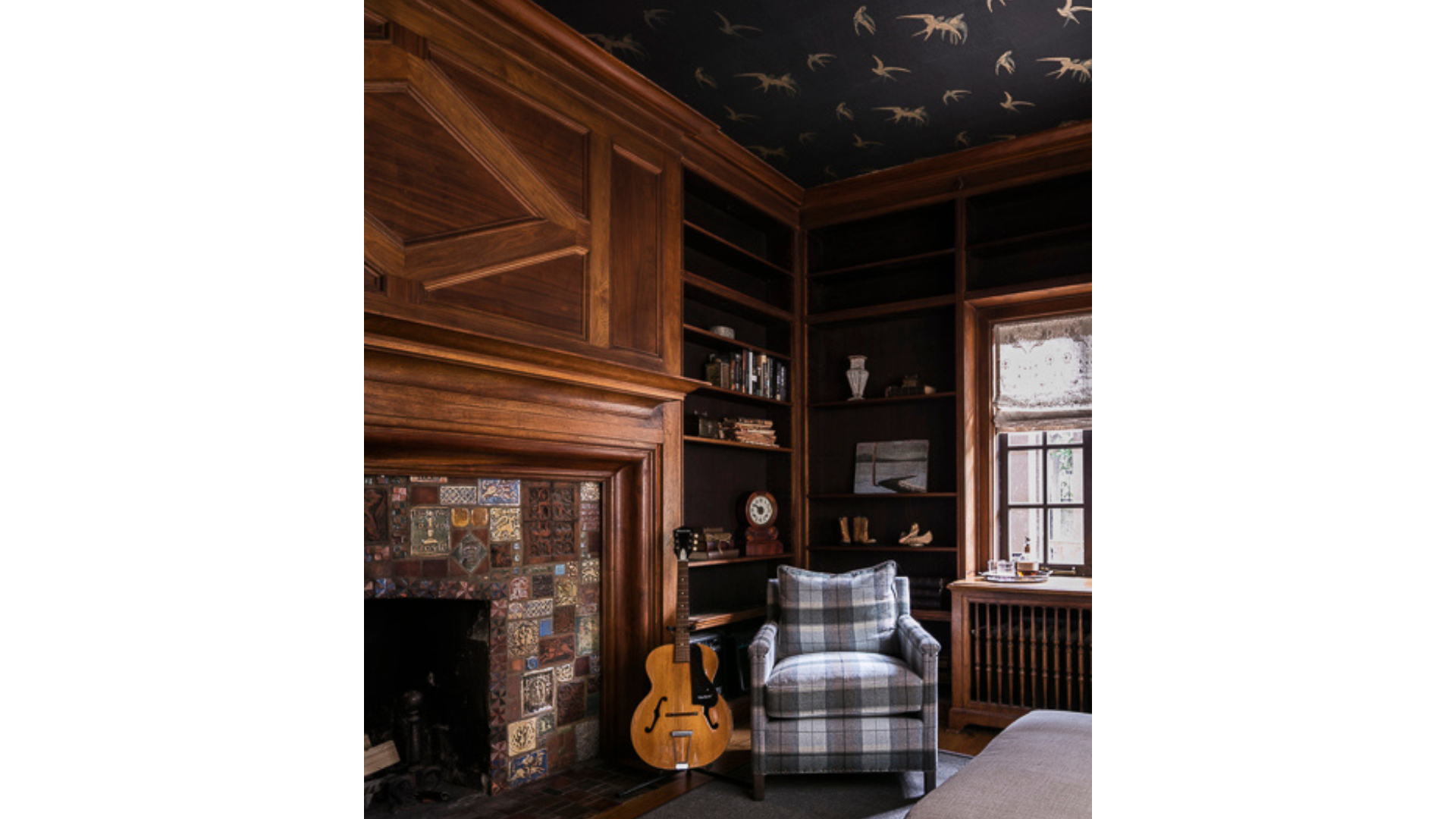
It highlights architecture. Wallpaper can also be used to emphasize the details that make a home special. We love using textured wallcoverings to draw attention to original millwork, wrapping a room to create a more immersive experience, or even wallpapering a ceiling to define a space.
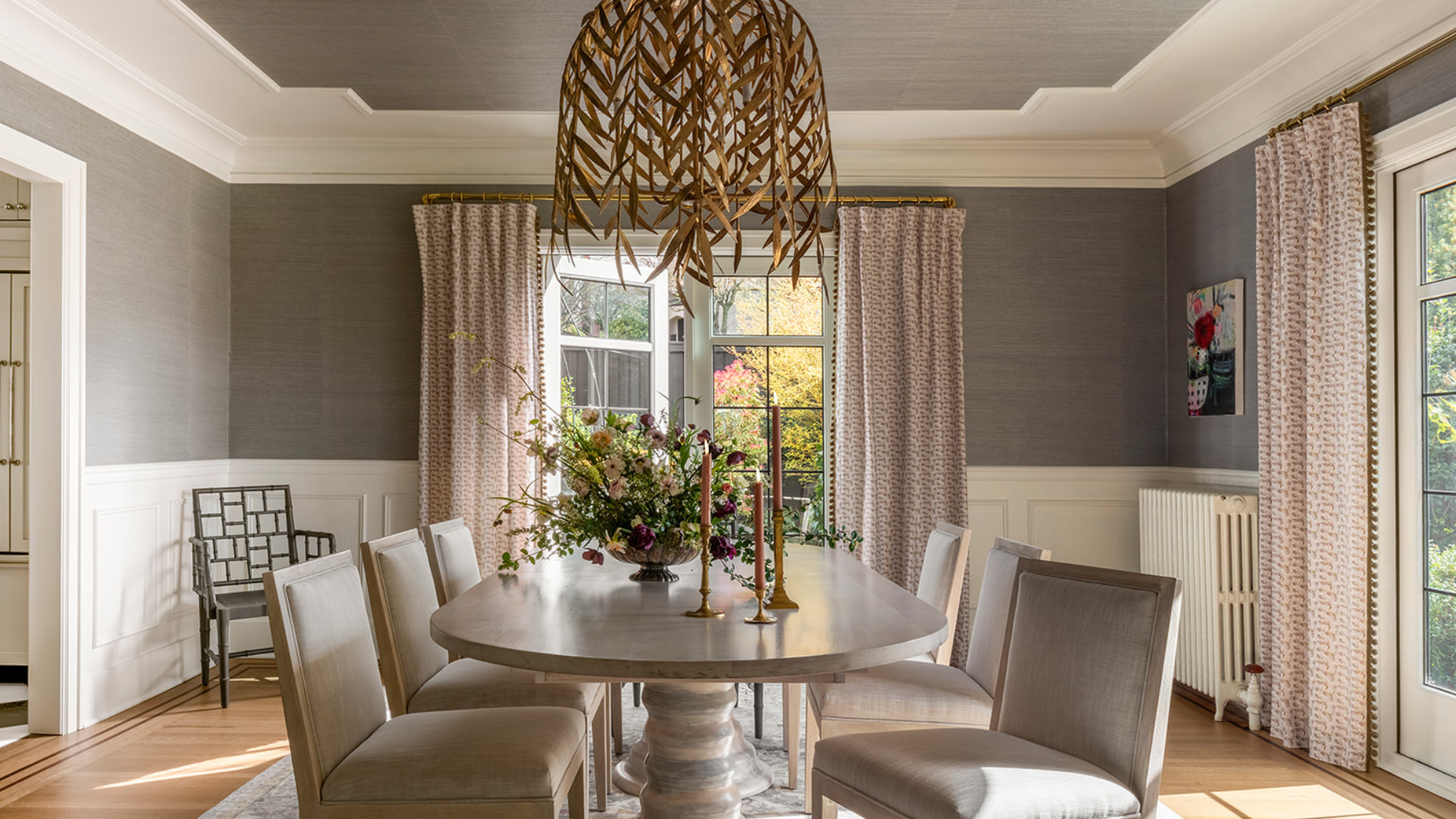
In our Parkmont 1920 project, textured grasscloth was used on the walls and ceiling of the dining room to highlight the home's original millwork. Rather than competing with the architecture, the wallpaper helps bring it forward.
Choosing the Right Type of Wallpaper
There are more wallpaper options available today than ever before, making it possible to find a wallcovering that works for nearly every room and application.
Vinyl Wallpaper has a protective surface layer that makes it resistant to moisture, staining, and abrasion. This makes it particularly well suited to kitchens, bathrooms, mudrooms, and entryways where walls may experience humidity, splashes, or need frequent cleaning. Its durability doesn't mean sacrificing design—vinyl wallcoverings come in a broad range of colors, patterns, and textures.
Grasscloth & Woven Wallcoverings are great way to incorporate texture. Made from natural fibers, grasscloth has subtle variations in color and texture that give walls depth and movement. We especially love using these materials in dining rooms, bedrooms, and other spaces where we want to create a warm, sophisticated atmosphere.
Murals turn walls into artwork. From landscapes and botanicals to abstract compositions and large-scale patterns, murals can create an entire visual narrative within a room. They can be especially effective in larger, open spaces like dining rooms, living rooms, or expansive accent walls, where a bold paper can make a statement.
Non-Woven Wallpaper is made from a blend of natural and synthetic fibers, making it breathable, durable, and easy to install and remove. Its porous construction allows air to circulate, helping prevent mold and mildew from forming behind the paper. For homeowners looking for both beauty and practicality, non-woven wallcoverings offer an easy-to-live-with option.
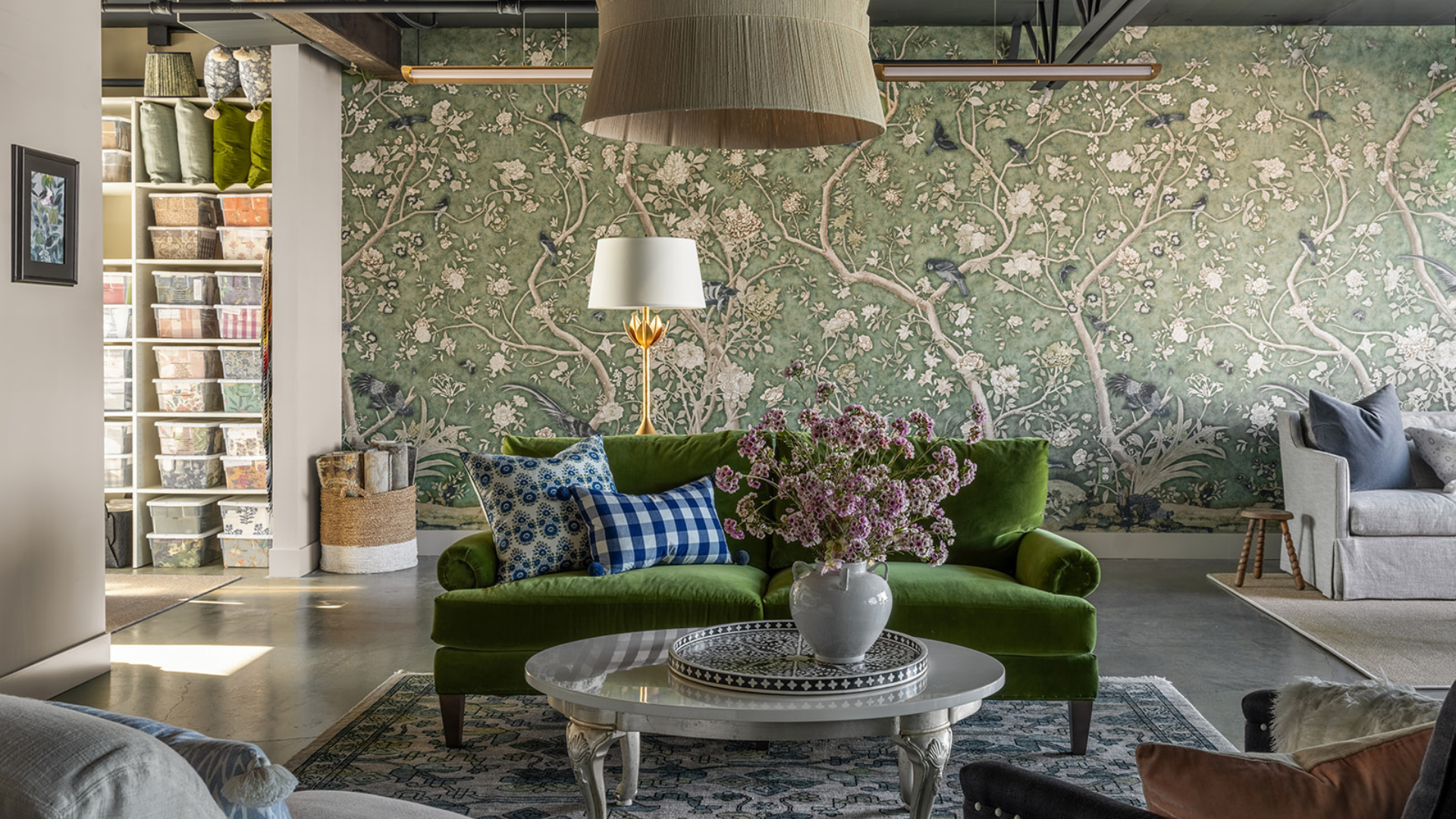
At Tammara Stroud Design’s Studio, a bold Schumacher mural was chosen for its vibrant colors and pattern, instantly bringing the space to life. It’s the first thing people notice when they walk in and always a fun conversation piece.
Wallpaper as a Design Tool
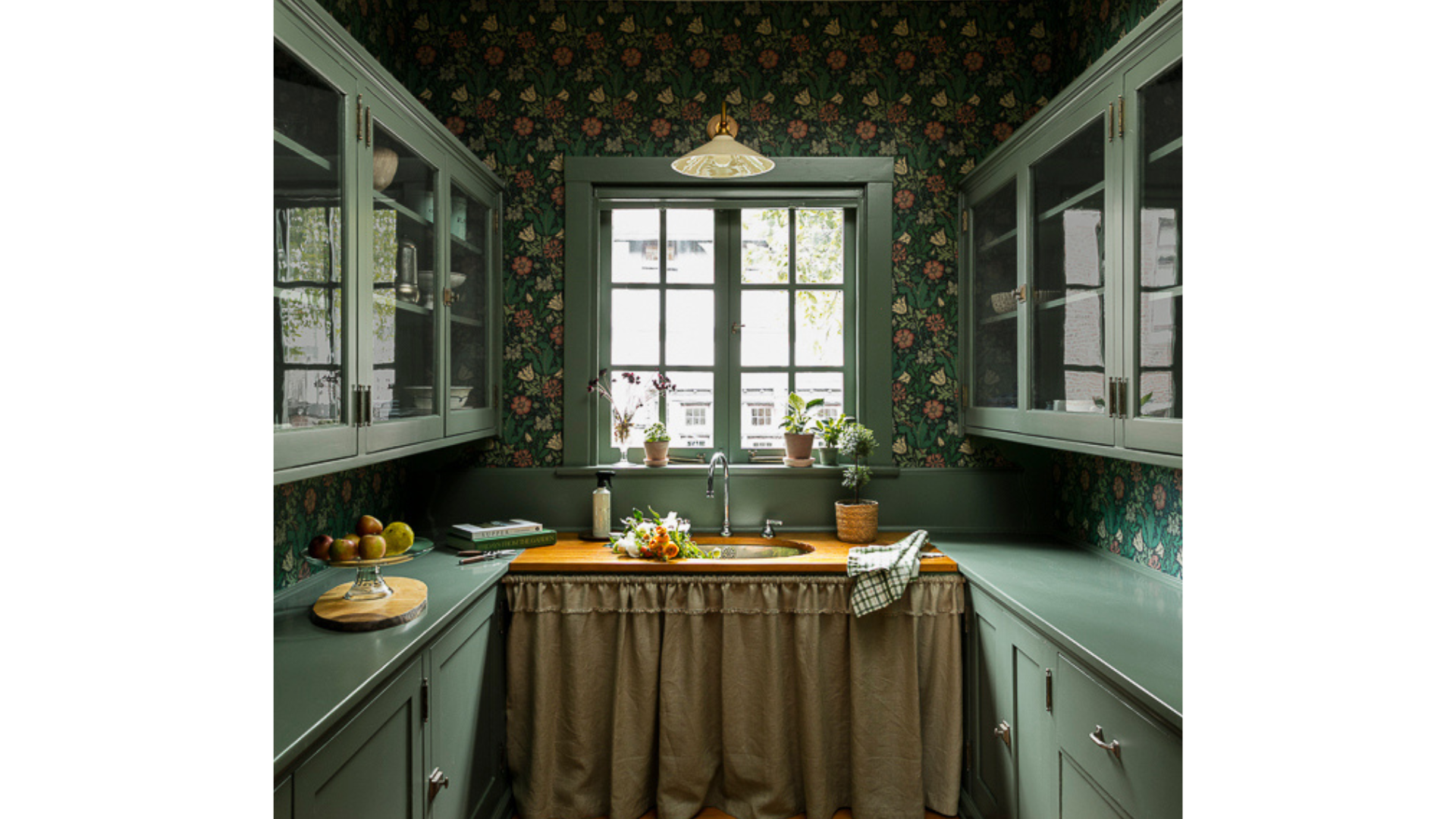
Wallpaper doesn't need to cover every wall to make an impact. A single accent wall can create a focal point, wallpapering a ceiling can define a space, and a small powder room or butler's pantry can become an opportunity for something playful and unexpected.
While wallpaper trends will always change, we don't think the most successful selections are about what's “in.” Instead, we consider our clients style, the architecture, natural light, surrounding materials and how the room will be used. Sometimes that means a quiet, textured grasscloth—other times, a bold floral, playful pattern, or dramatic mural.
The goal isn't to choose wallpaper that is trendy, but to choose one that makes the room feel more like itself. We love that wallpaper allows us to create unexpected moments throughout a home while adding to its larger design story.
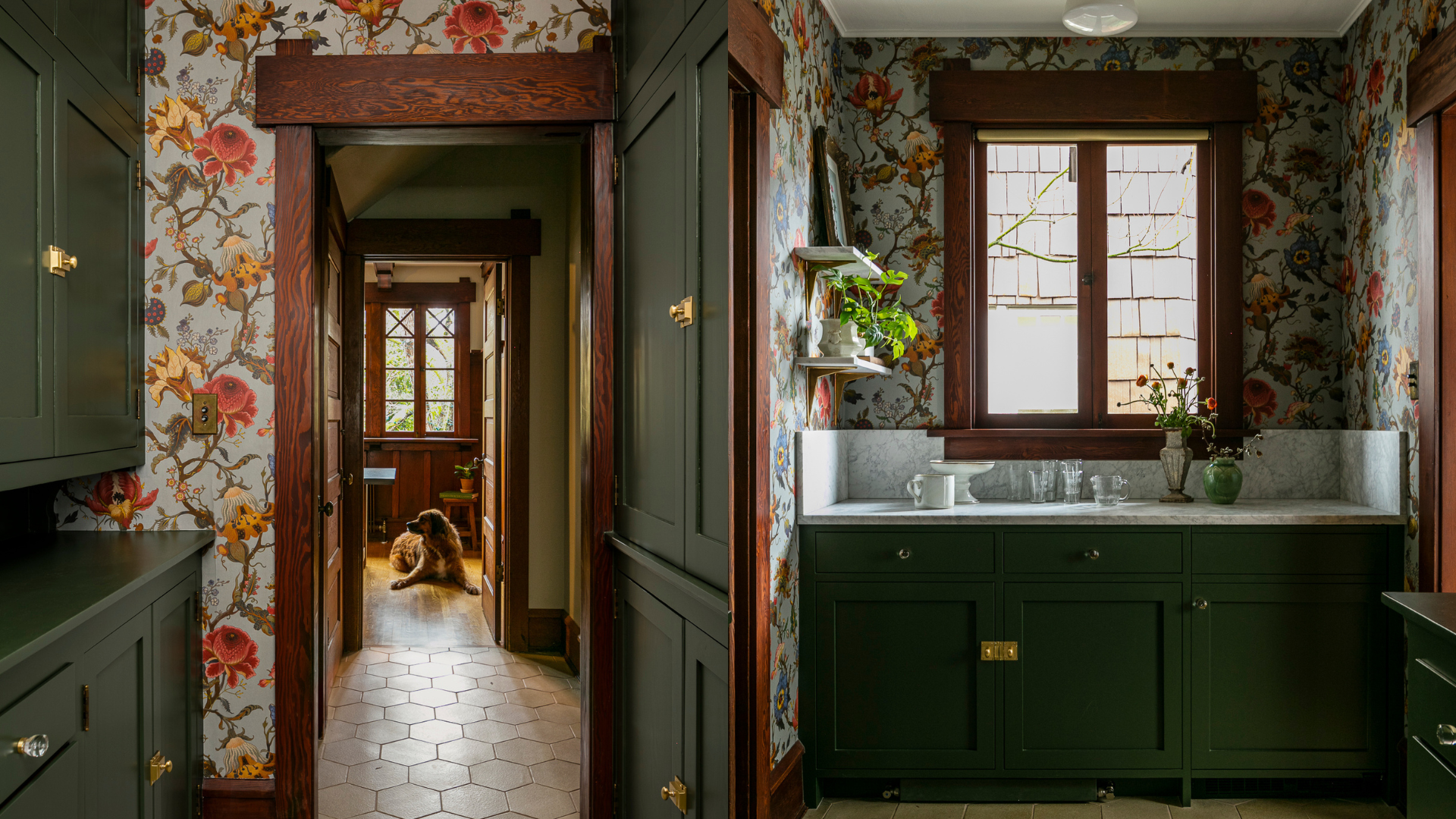
In our Historical Madrona Park 1909 project, we used a bold wallpaper in the butler's pantry to complement the cabinetry and original wood millwork. Because the space is smaller and enclosed, it gave us an opportunity to introduce color and pattern without overwhelming the larger home.
Why Wallpaper Will Always Be in Style
Good interior design is about creating layers—combining color, texture, pattern, materials, art, and architecture to create a space that feels thoughtful and personal. At Tammara Stroud Design, we find that wallpaper gives us the opportunity to bring many of these elements together in one material. While wallpaper trends may change, we don't think wallpaper itself is going anywhere!