
Designing for Seattle's Historic Homes: What to Preserve & What to Update
Seattle is home to an incredible collection of historic architecture, from century-old Craftsman and Tudor Revival homes to Queen Anne Victorians, Colonials, and charming early 20th-century cottages. As interior designers, we especially love the opportunity to work within these homes, where so much of the original character and craftsmanship can still be found. However, renovating an older home often comes with an important question: What should stay, what should change, and how can we make thoughtful updates without losing what makes the home special? Finding that balance between honoring a home’s history and making it functional for modern living is at the heart of our approach.

Family Room at Historic Madrona Park, Est. 1909 by architect Ellsworth Storey, designated a Seattle Landmark in 1979
Most Importantly, We Always Honor the Home's Original Architecture
Our first step is to understand the home’s overall architectural style, age, and original character. From there, we look closely at the details that tell its story—millwork, hardwood floors, built-ins, fireplaces, doors and doorways, windows, and original lighting. With these elements in mind, we work as a team to determine which features are worth restoring and preserving rather than replacing.
But preservation doesn’t necessarily mean keeping everything exactly as it was. For us, preservation is about keeping the character and personality that make an older home special while thoughtfully updating it for modern life. This might mean reworking a kitchen or bathroom, improving lighting and window treatments, adding storage, or updating plumbing, electrical, and technology. The goal is to make the home functional for the way our clients live today—without losing what made them fall in love with the home in the first place.
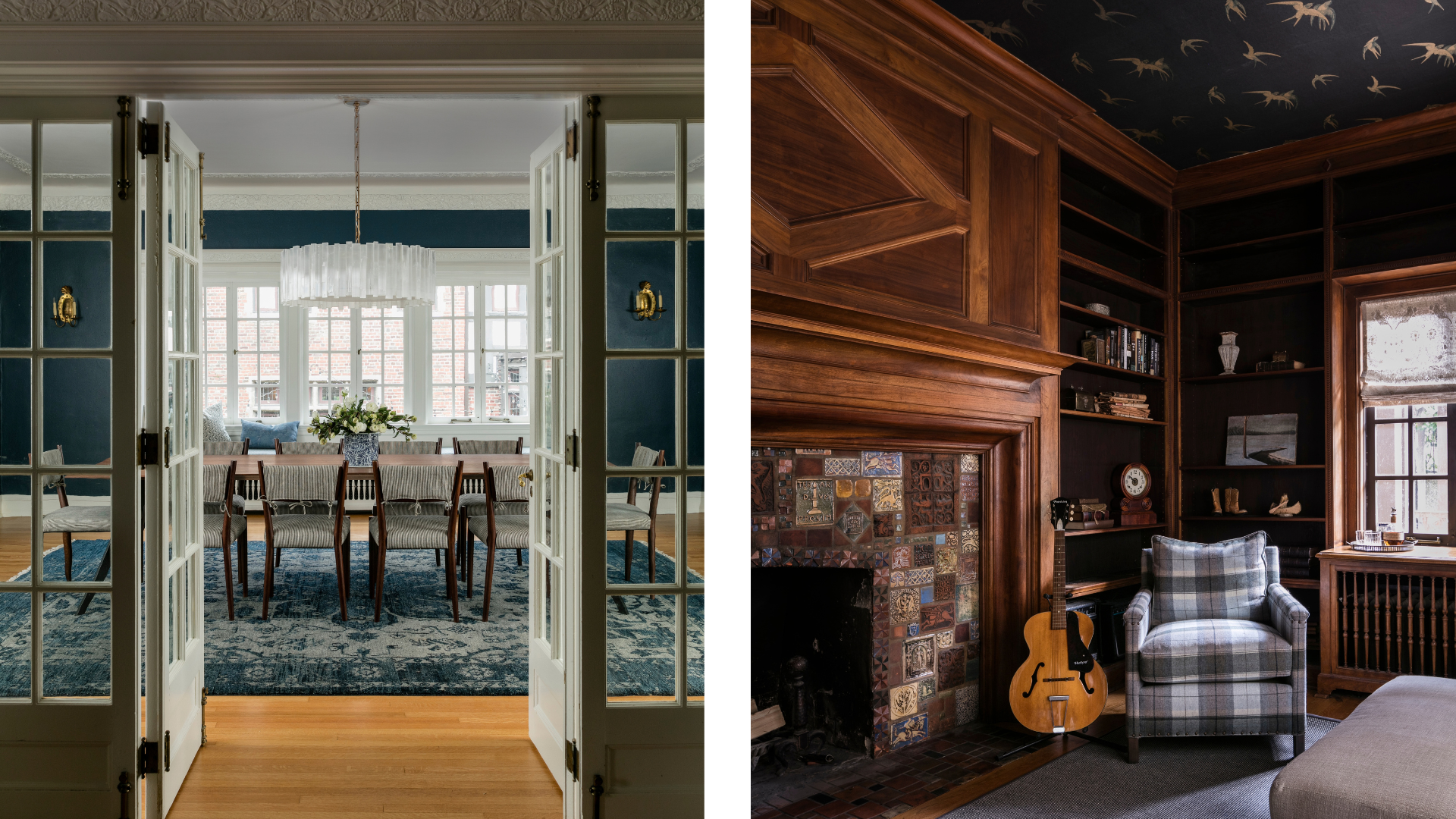
Dining Room & Library at Historic Capitol Hill, est. 1909
Kitchens & Baths: Where Historic Character Meets Modern Function
Kitchens and bathrooms are often the most substantial areas of a renovation, and they’re also where the balance between preservation and modern function becomes especially important. While these spaces often need significant updates to meet the needs of contemporary living, we want them to feel as though they belong in the home—not as though they were dropped in from an entirely different house.
What we change:
Layout & flow to better support how the homeowners live
Modern appliances and improved functionality
Storage and organization
Plumbing, electrical, and lighting
How we preserve:
Custom cabinetry designed to fit the home’s age & architectural style
Fixtures & finishes that complement the architecture
Use of historically appropriate materials (some materials are modern inventions)
Incorporating historic patterns and colors while specifying tile layouts, textiles, and wallcoverings
Lighting that adds modern function while complementing the character of the space


The Kitchens at Historic Madrona Park & Historic Capitol Hill
Design: Furnishings, Floor Plans and Embracing Color & Pattern
Furnishings: Mixing the Old with the New
Furnishing a historic home is often about finding the right balance between old and new. We love combining antiques and vintage pieces with modern furniture, contemporary artwork, and custom pieces. The result is a collected, layered look that feels personal rather than a reproduction of a particular time period, or an overly modern interior disconnected from the architecture.
Floor Plan: Thoughtfully Rethinking the Way Spaces Function
Open floor plans aren't always the best fit for older homes, which were often designed around distinct rooms. Rather than removing walls, we often look for thoughtful ways to adapt the floor plan to modern life—whether that means adding a home office or mudroom, improving kitchen flow, or expanding a bathroom. We also find that defined rooms create opportunities for more interesting design—where each space can have its own personality, function, color, and story.
Color & Pattern: Making Older Architecture Shine
We feel that historic homes often offer some of the most beautiful backdrops for color, wallpaper, and pattern—elements that are central to our design process. We love using these tools to highlight original architectural details, millwork, and built-ins, while giving the home a fresh perspective. Wallpaper, paint, textiles, rugs, and artwork can draw attention to these original features while adding new personality.


Historic Home Renovations by Tammara Stroud Design: Historic Capitol Hill 1909, Historic Madrona Park 1909, Parkmont 1920, Belgrove 1939, & Laurelhurst 1946
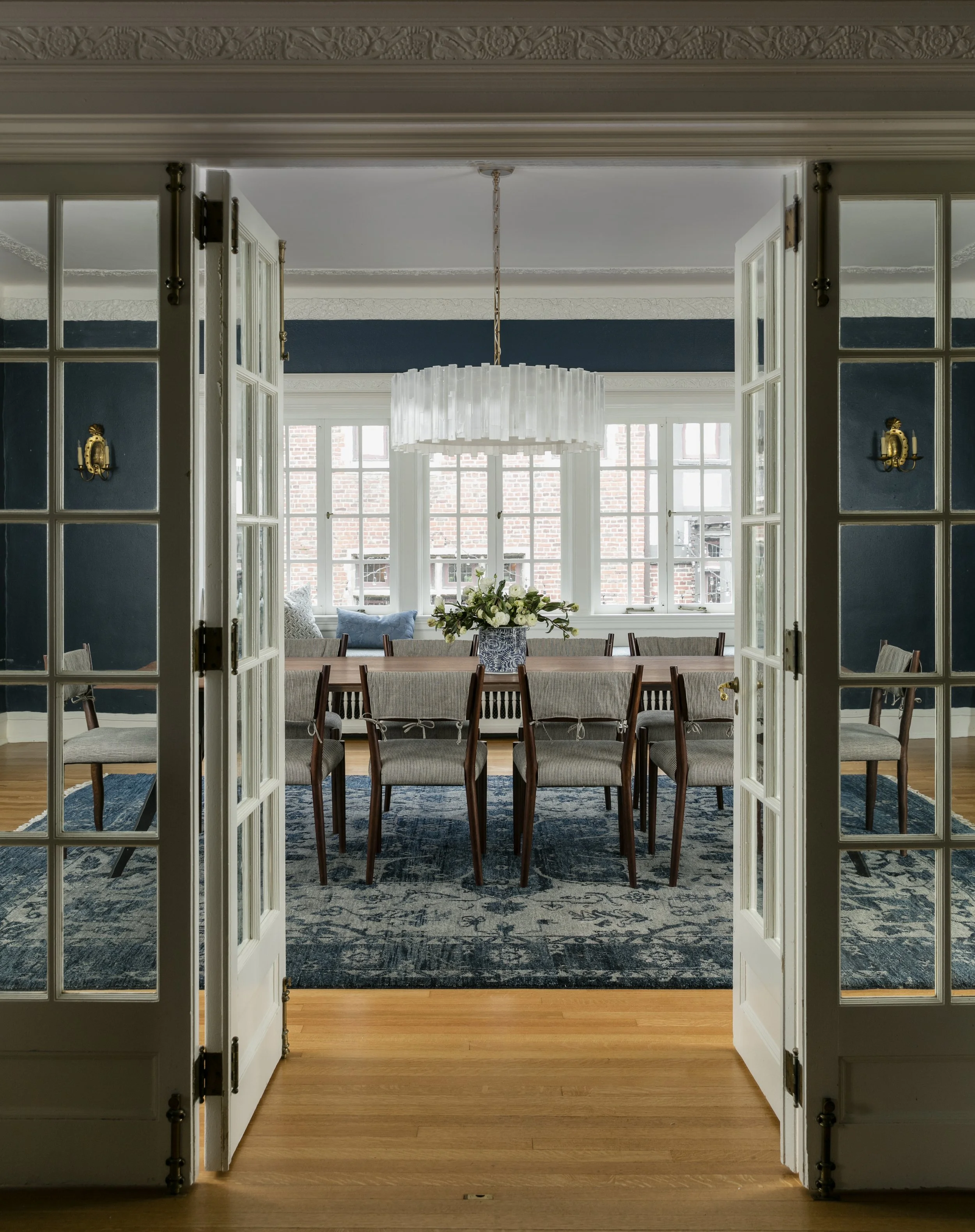
Our goal is not to recreate the past, but to interpret it. The best historic-home renovations preserve what gives a home its soul while thoughtfully updating it for the way our clients live today.
Interior Design by Tammara Stroud Design
Photography by John Granen, Miranda Estes, Kara Mercer